High-Temperature BSE detector
Imaging and measurement of surfaces in-situ and at high temperatures
Electrode-based detectors are specially designed for in-situ High Temperature experiments where conventional detectors cannot be used. This is, because light and thermal electrons emitted by the hot sample easily saturate the electronics, and because the unavoidable contamination from the in-situ conditions limits the lifetime of delicate sensors.
In this new design of the point electronic HT BSE Detektors, BackScattered Electrons (BSE) are absorbed in robust electrodes (metal plates) placed at the detection plane.
- The resultant absorbed current is preamplifier in-situ, and then amplified and mixed further ex-situ.
- Secondary and thermal electrons are repelled away, as a bias voltage is applied to the electrodes through the detector galvanic isolation.
- Light, either emitted from the hot sample, or scattered from a laser heater, does not produce signal in such technology, the detector is inherently light-blind.
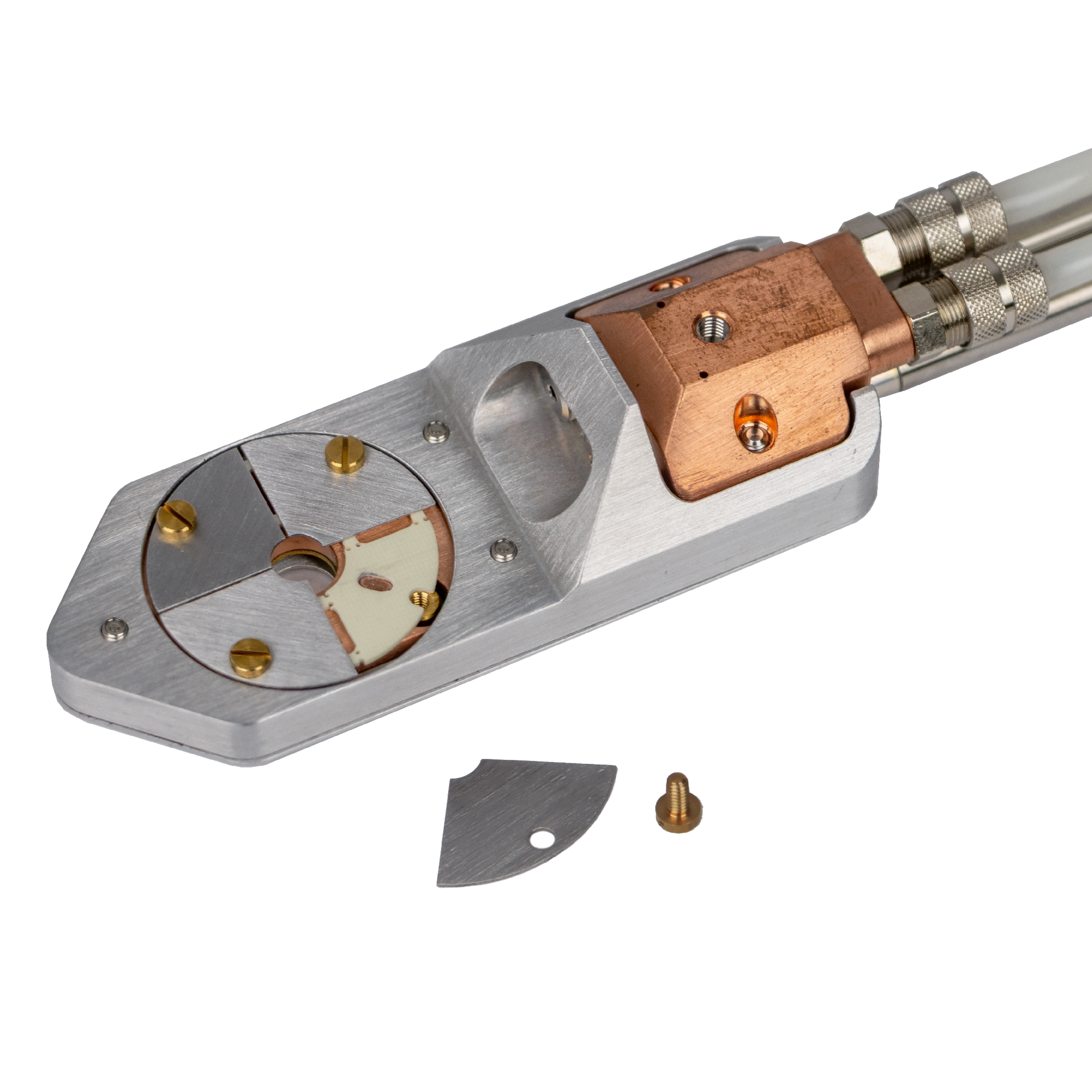
Electrodes can be coated in various materials to optimise absorption efficiency at particular energy ranges, e.g. Carbon coating for higher acceleration voltages, and can be easily disassembled, cleaned and recoated.
Of course, four quadrant electrodes are used to enable 3D surface analysis when combined with our calibrated SEM scan controller (DISS6) and Topographic reconstruction software.
> learn more about the specifications
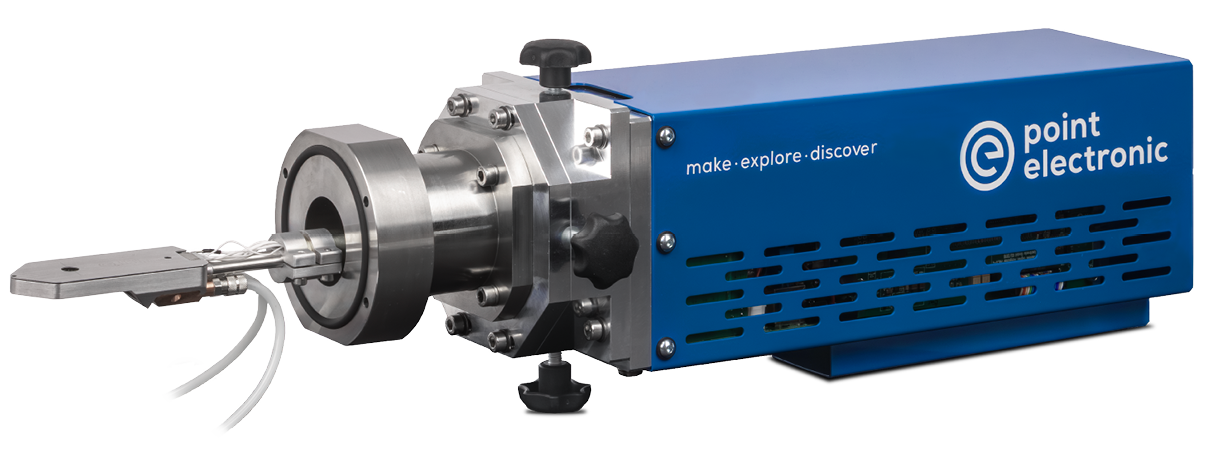
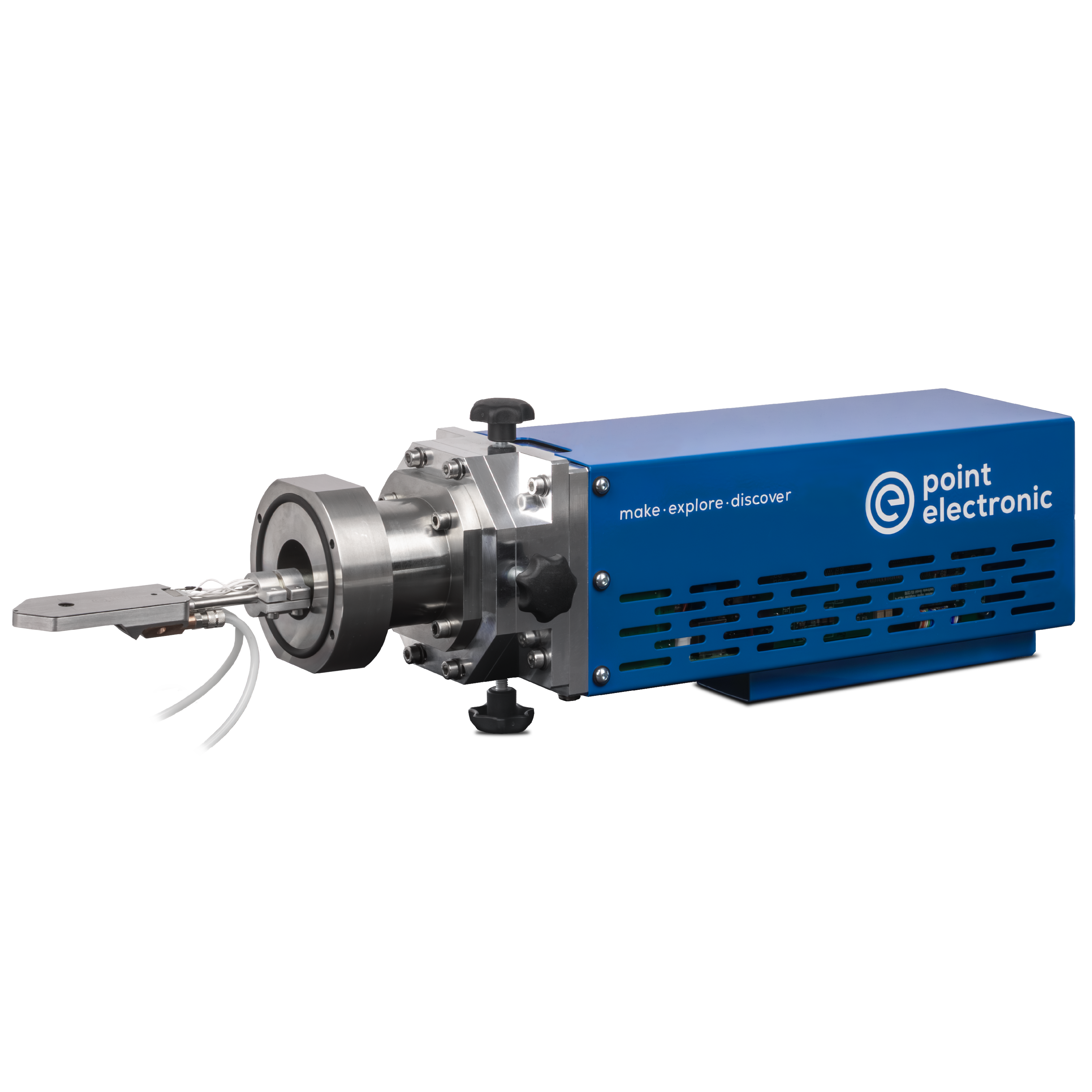
Port-mounted motorized BSE detector
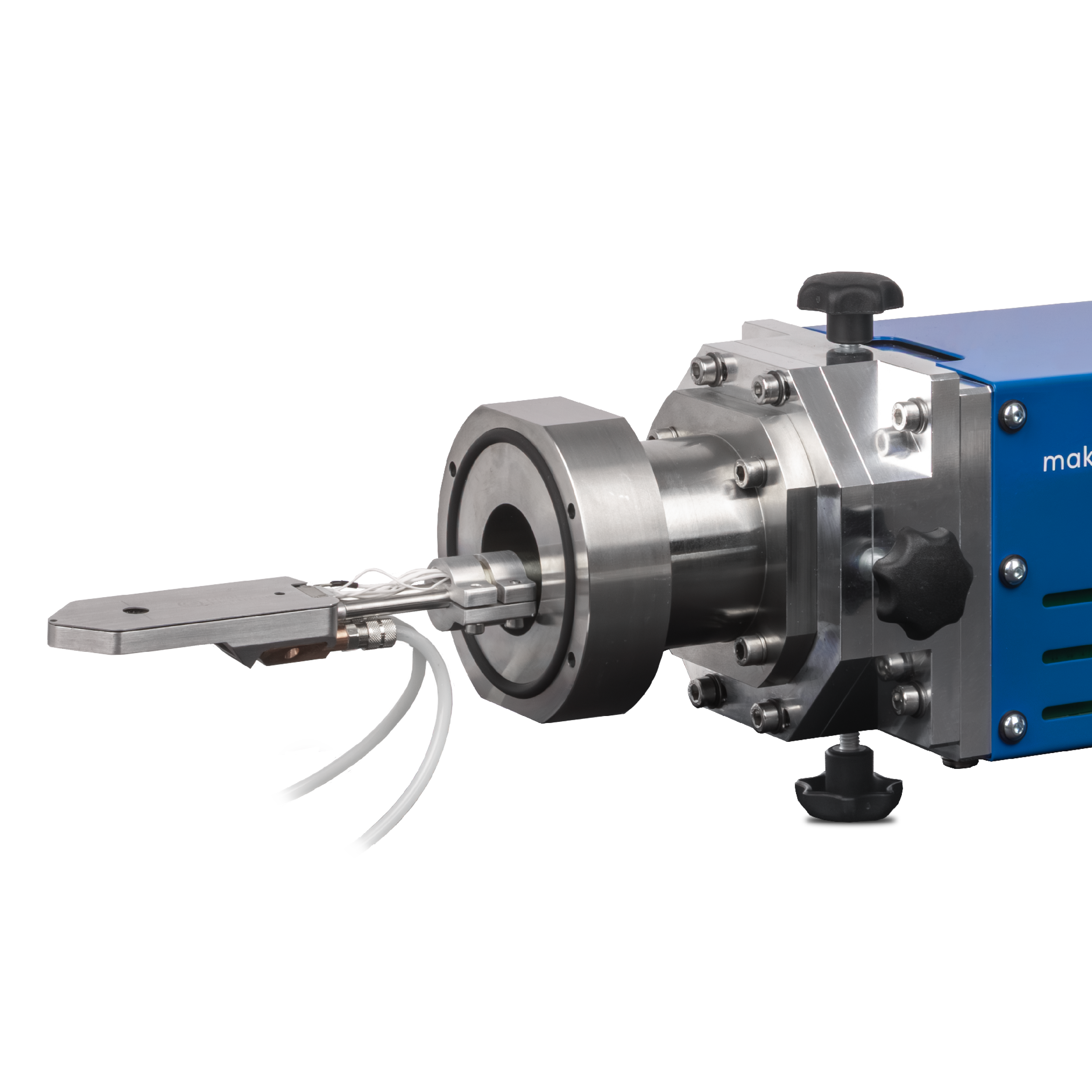
Carefully selected segmented sensors are perfectly balanced with bespoke electronics and mechanics in a fully self-contained detector designed for ultimate performance and ease-of-use.
1. Robust high-temperature sensor: New technology with light-blind metal electrodes in quadrant geometry with built-in 4x preamplifiers and adjustable bias voltage
2. XY alignment: High-precision lateral alignment with optional motorized repositioning
3. Built-in motorized insertion: Port-mounted and bellow-sealed with motorized insertion/retraction, and touch alarm
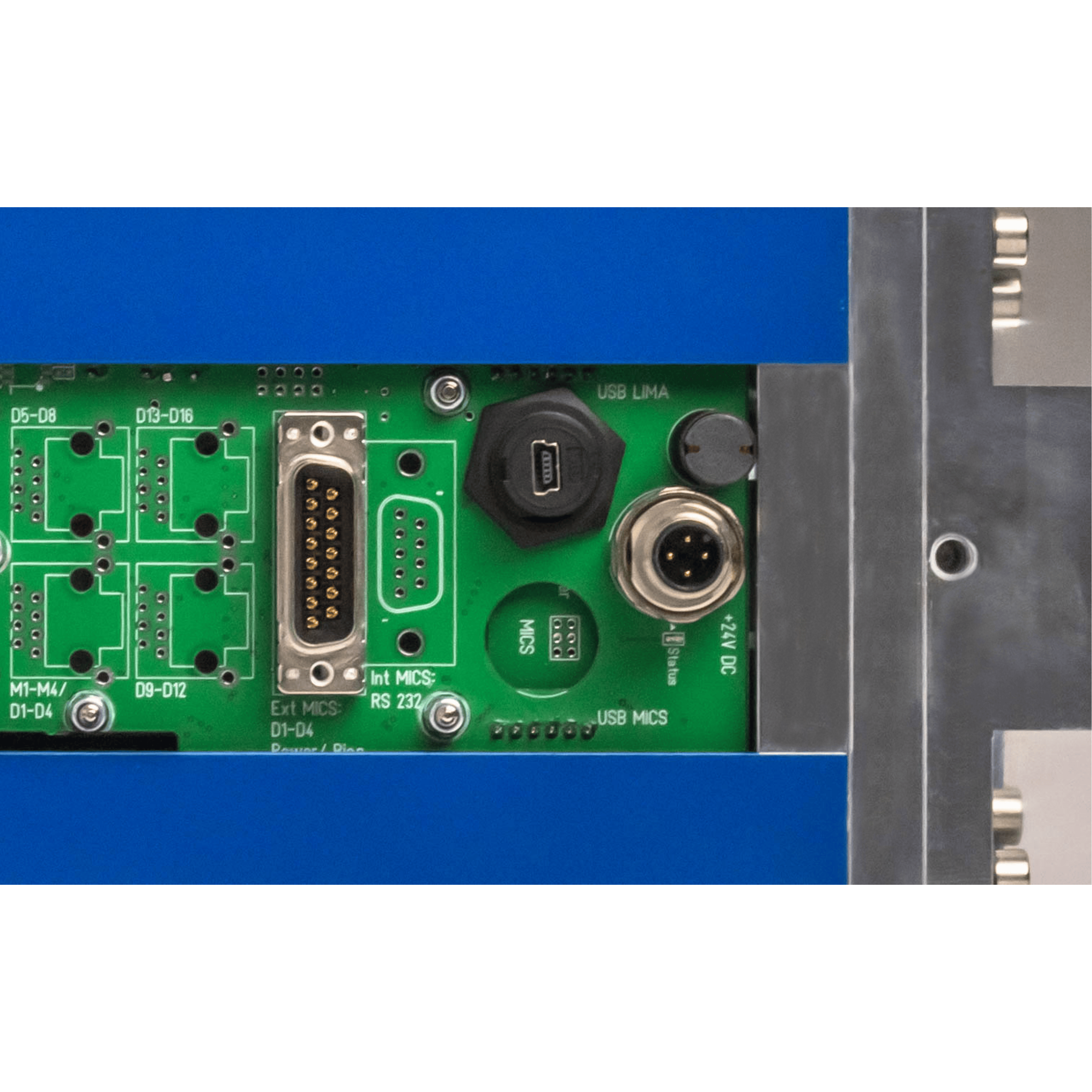
4. Standard interfaces: Control over USB 2.0 and analog video signals output on RJ45 connectors
5. Built-in amplifier and mixer: Two-stage amplification for each of the four channels, with independent and calibrated controls for brightness and contrast
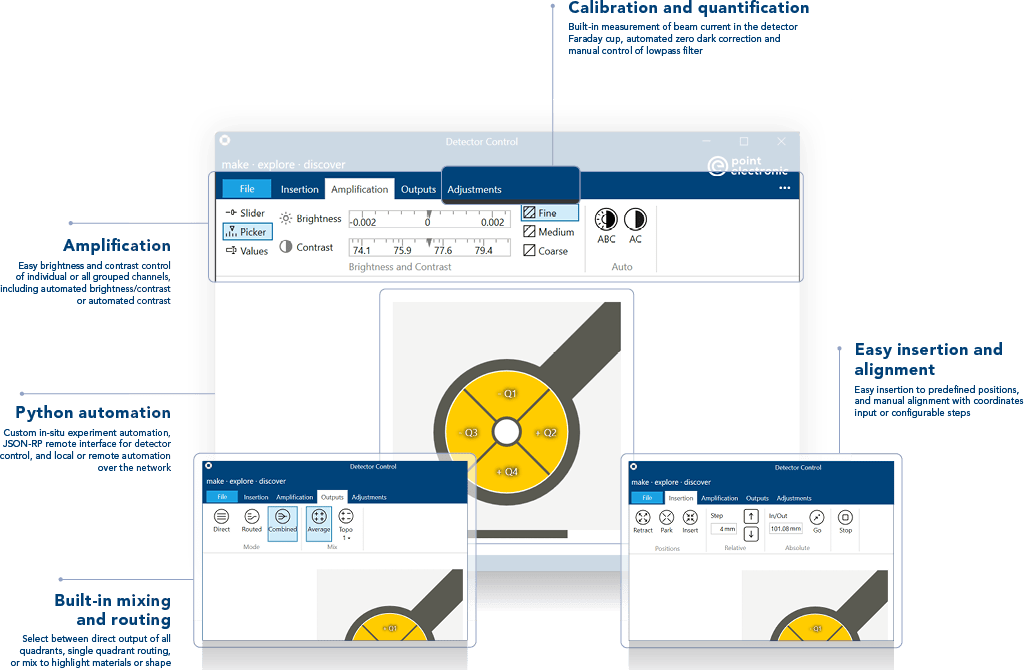
Open control with full access to all detector parameters
Engineered for performance
Designed for fast and intuitive control, to cover every advanced signal control and automation feature, and to give the best experience even for challenging BSE experiments.
-
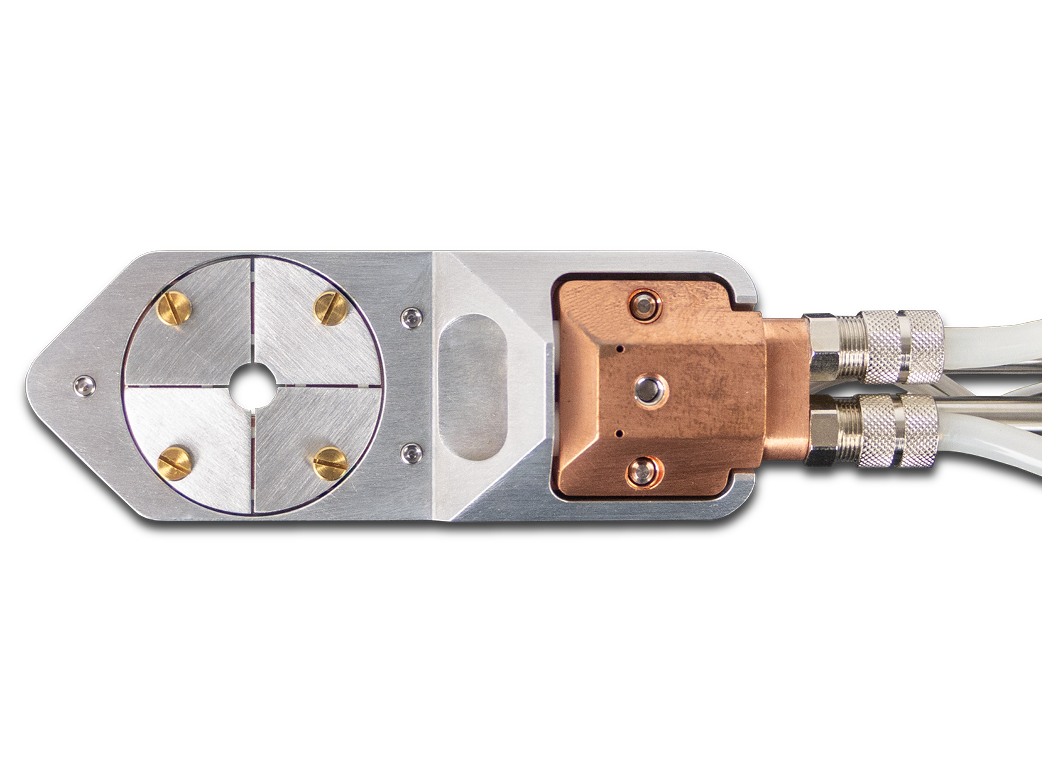
Versatile experiments
Segmented sensors in quadrant geometries
Each segment with own brightness and contrast controls
Size and geometry optimized for materials science -
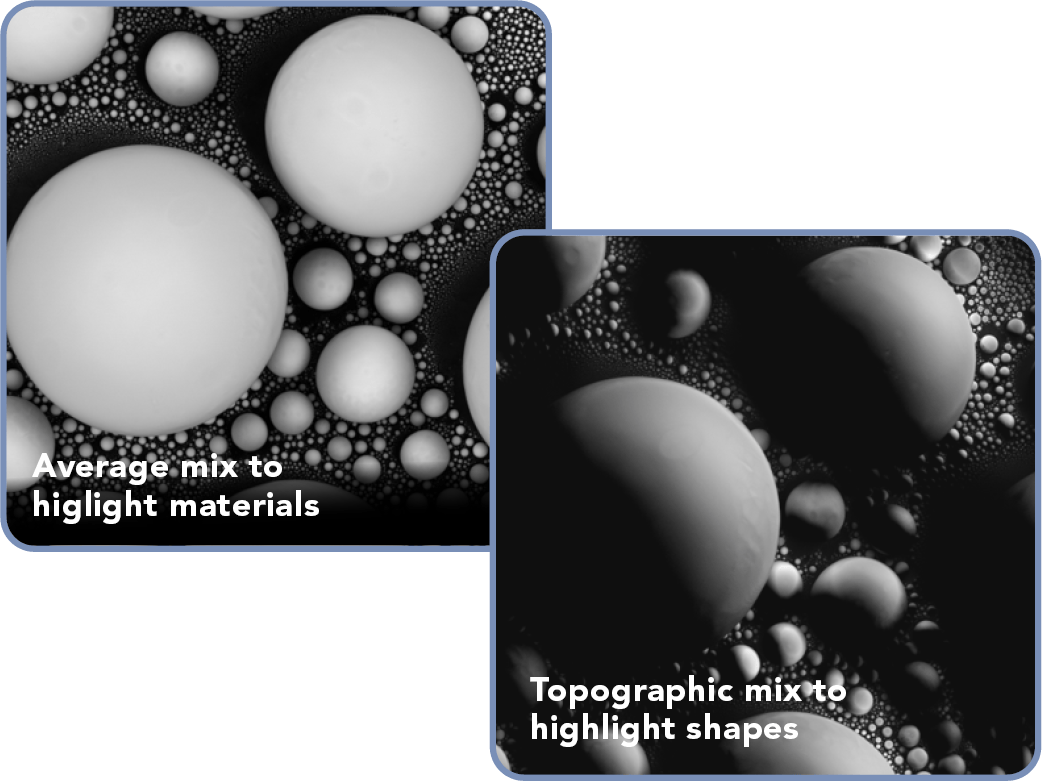
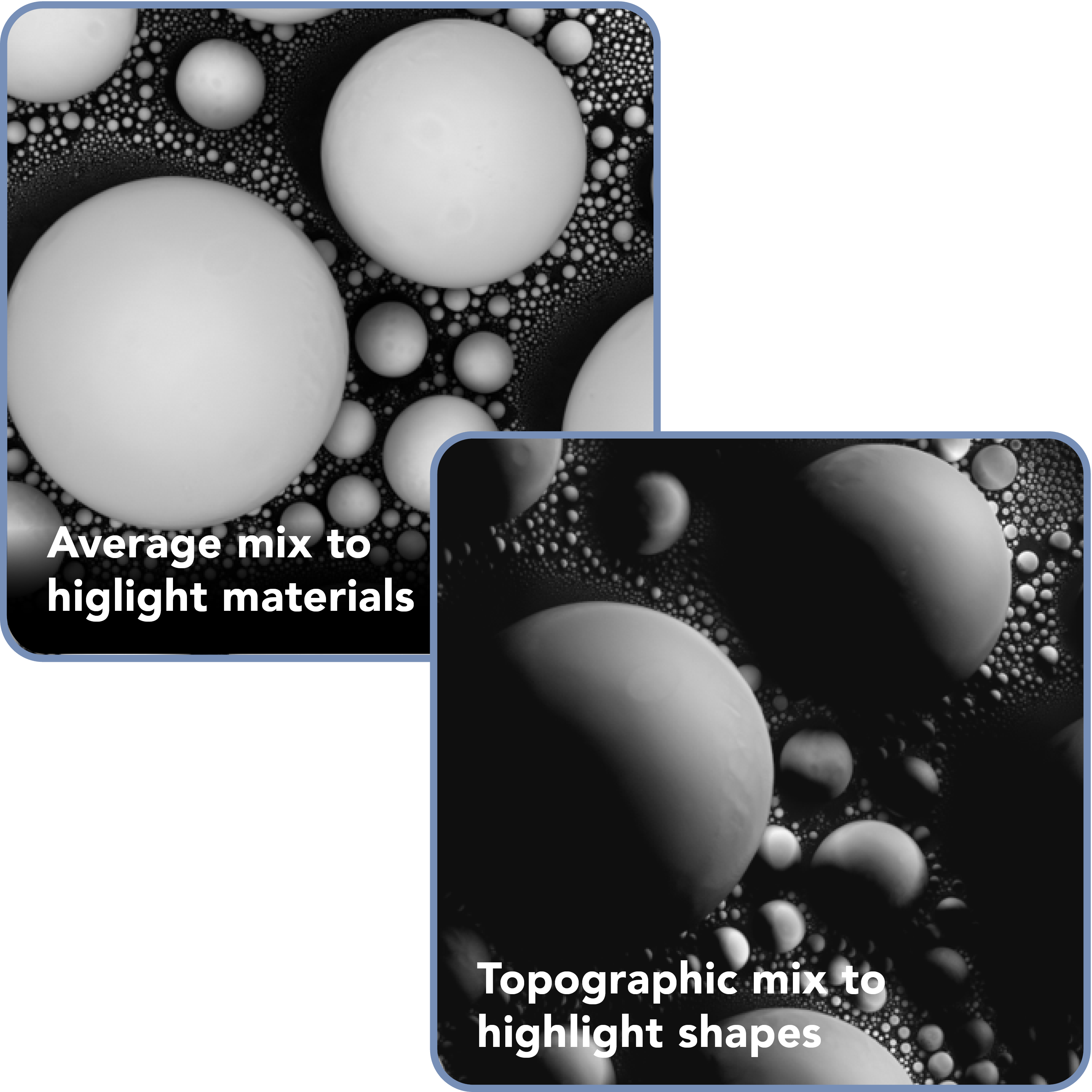
Flexible output
Output directly all four individual channels
Combine to a single output with built-in compositional or topographic mix
Route any channel to a single output
-
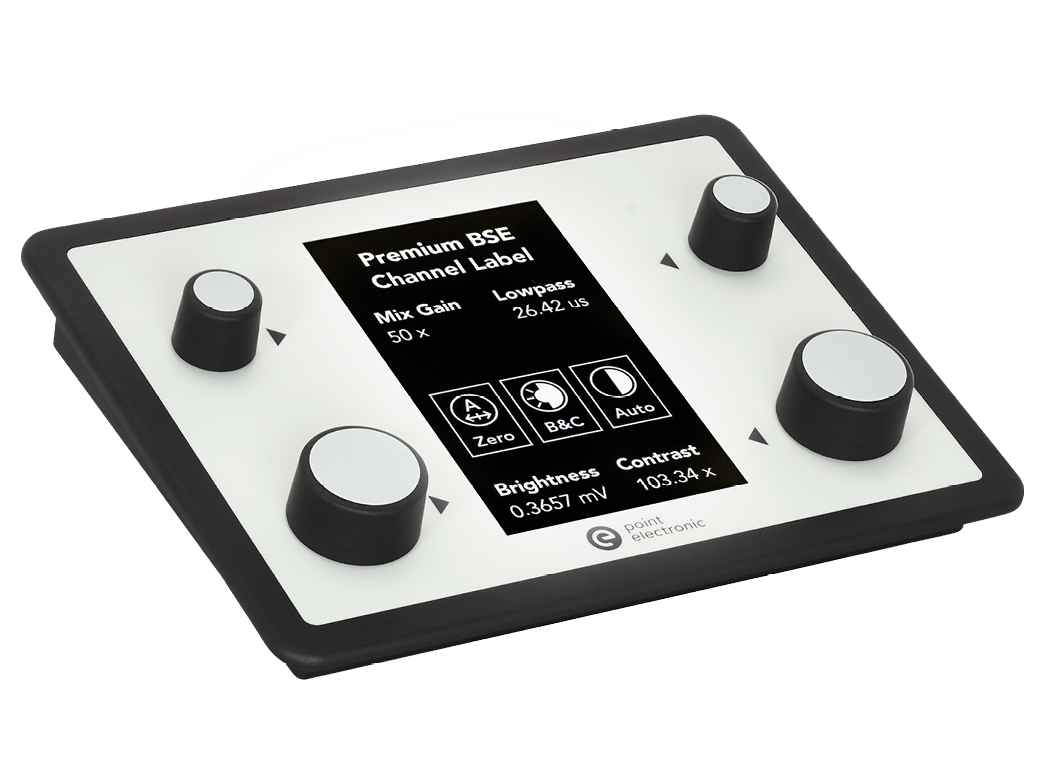
Intuitive, fast and ergonomic
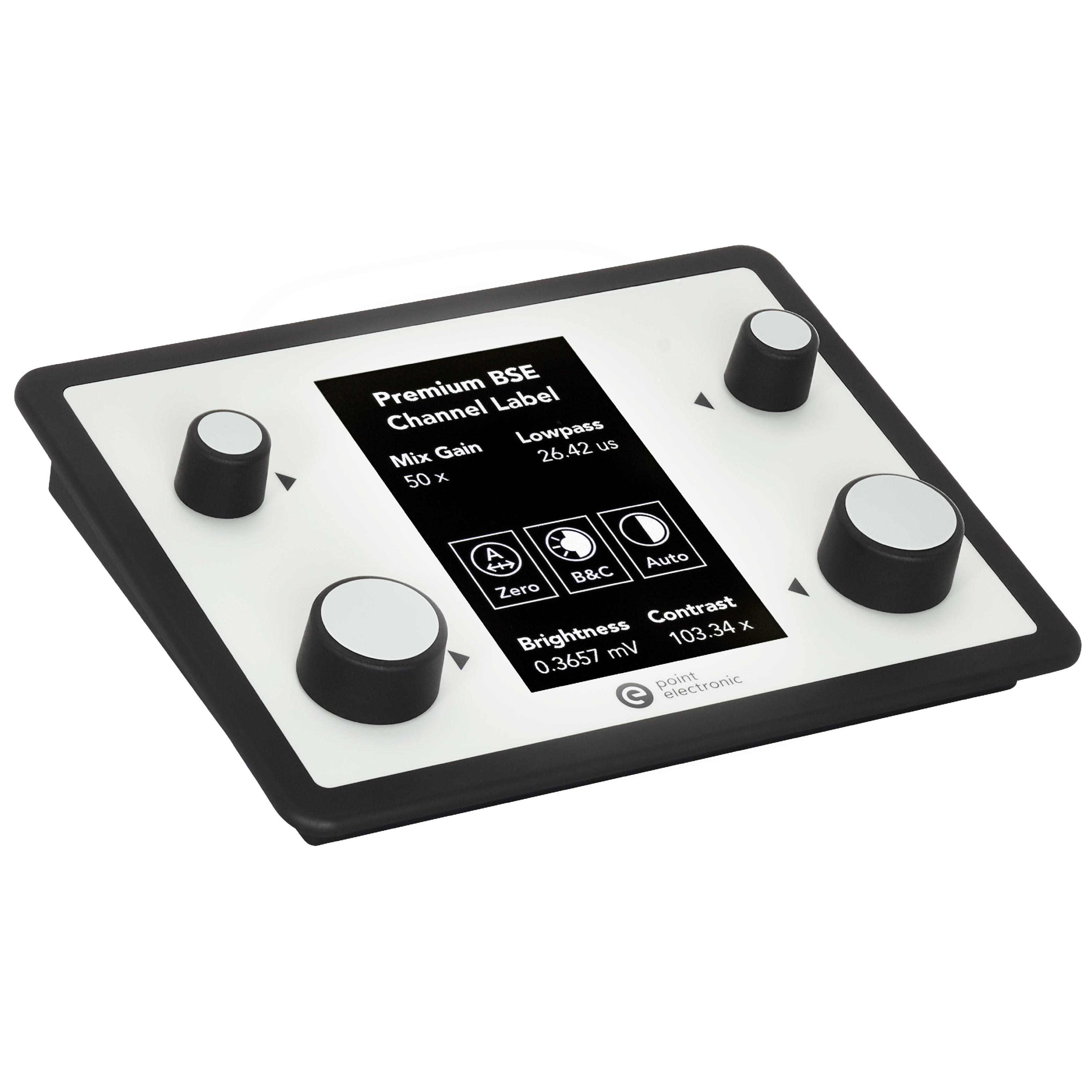
Heavy-duty hardware control panel for fast access and easy adjustments
Touch display for status and automated control
Rotary knobs for very-fine manual control -
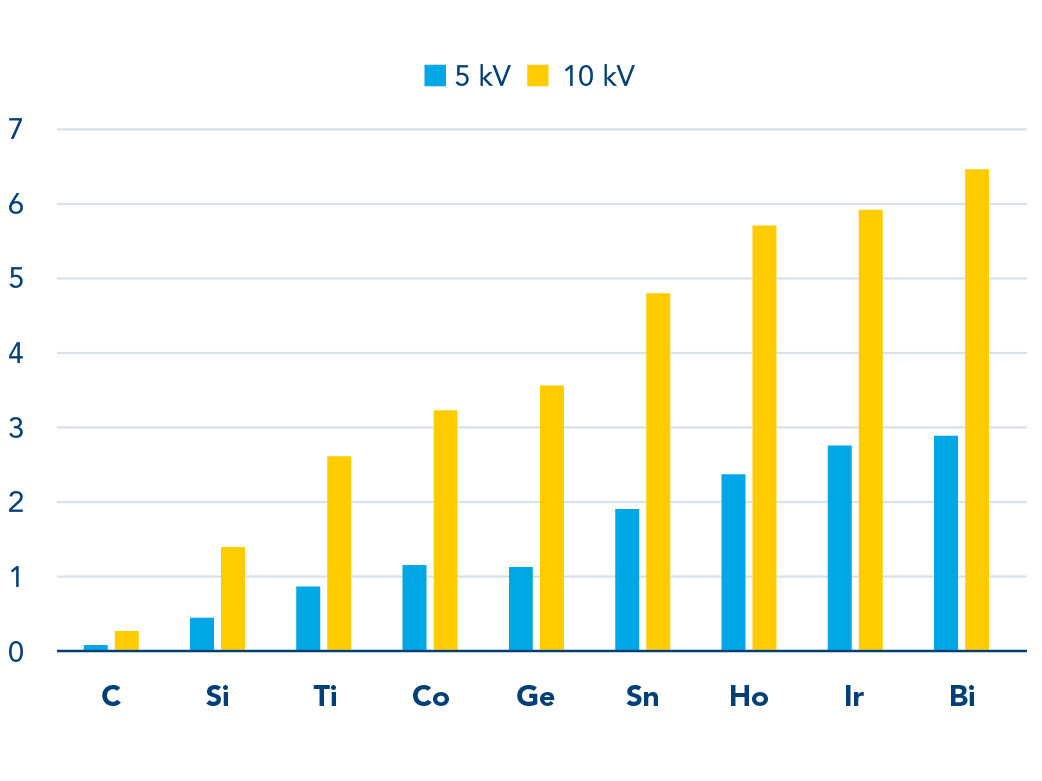
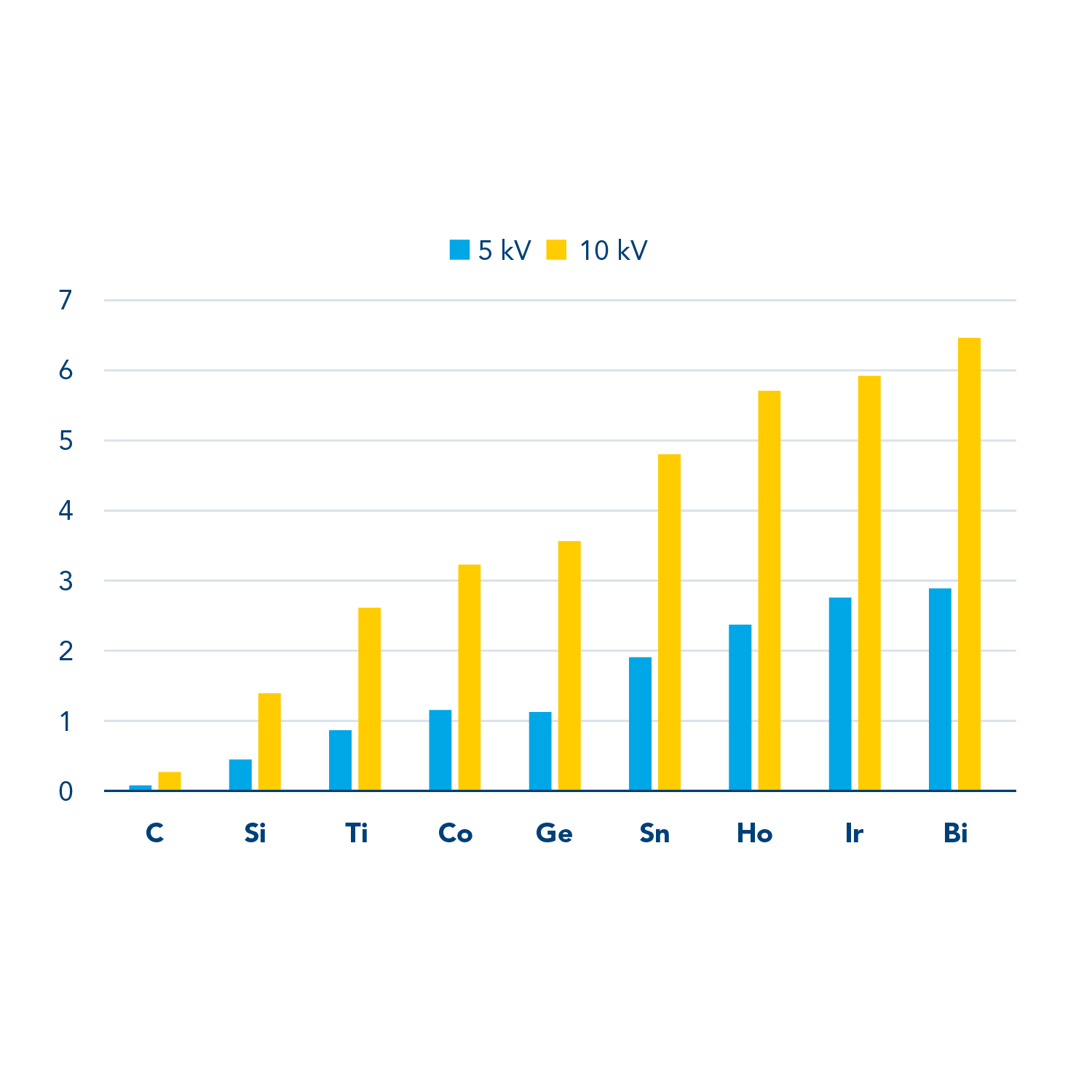
Quantitative measurements
Electronic gains, offsets and bias are factory calibrated
Electron current into the sensor can be calculated from voltage at the output of the detector
Material properties can be determined from quantified input signal -
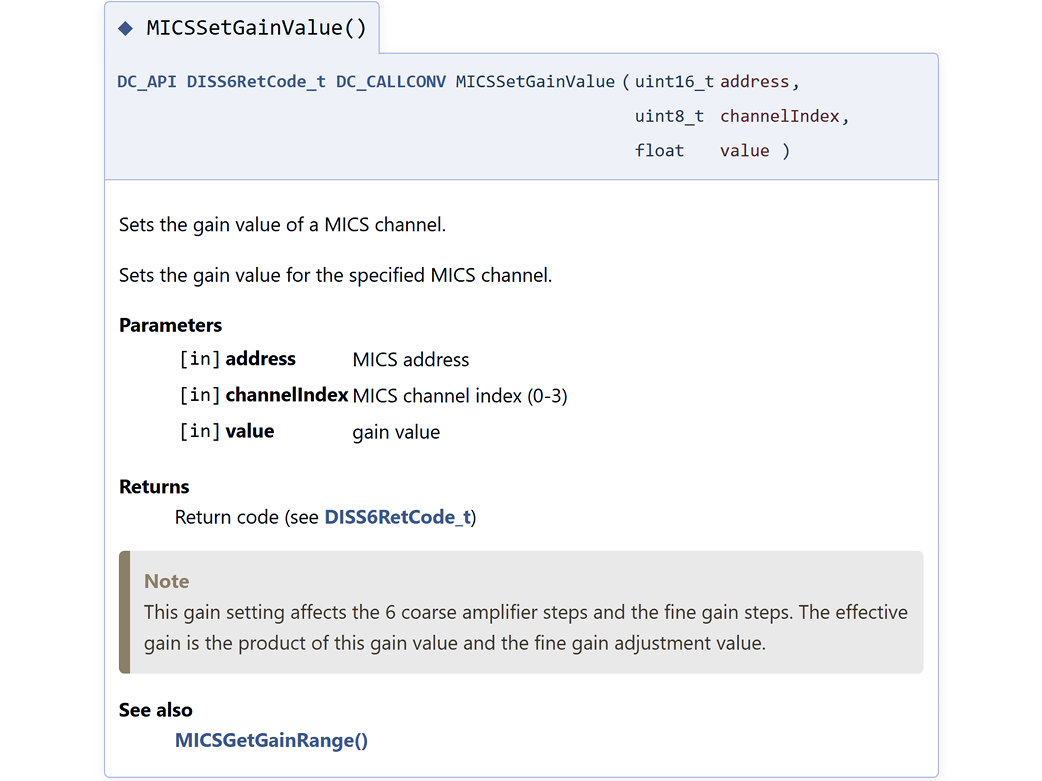
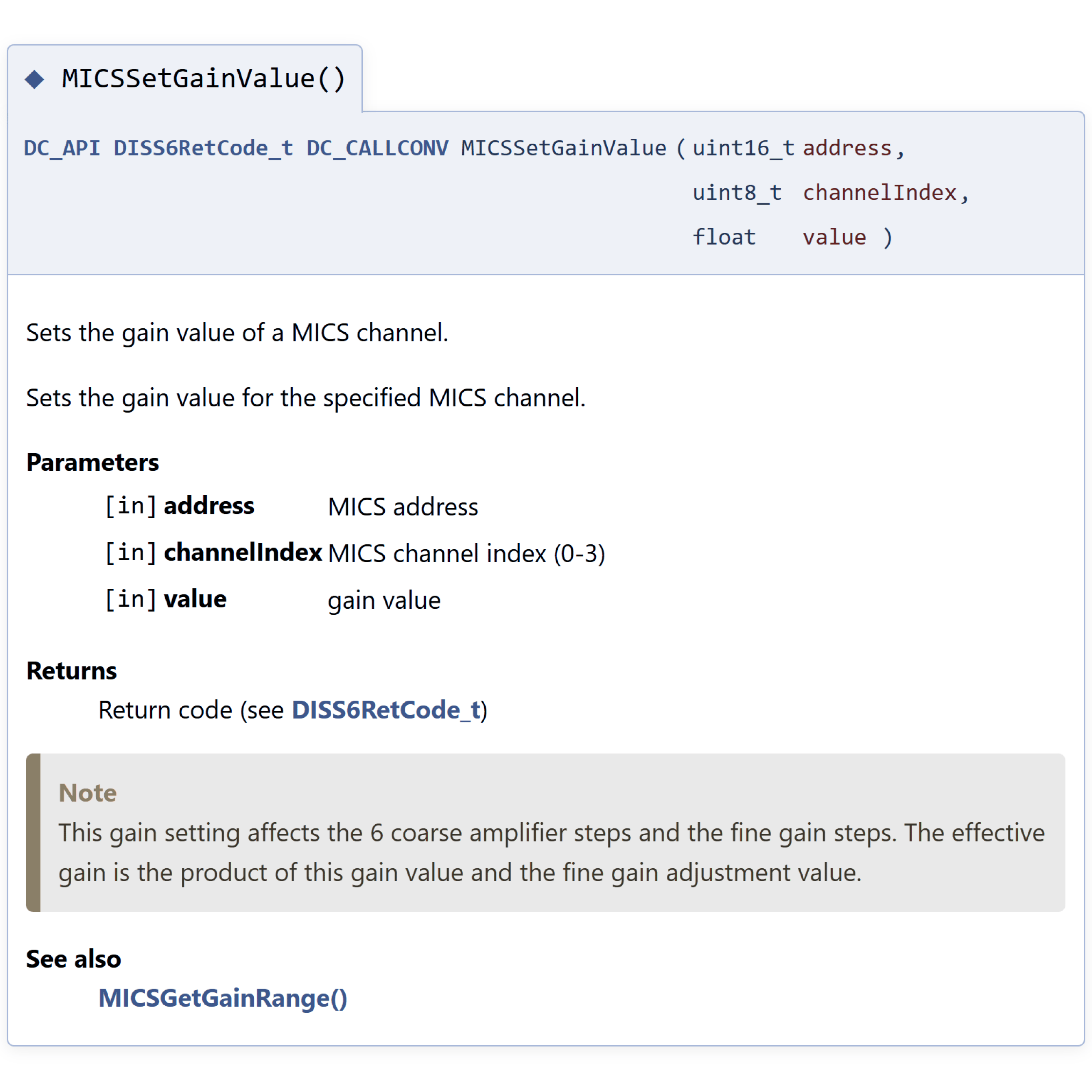
Software Development toolKit (SDK)
Control libraries for positioning and amplification
Application Programming Interfaces with simplified functions and physical parameters
Demo code in Python and other programming languages
After-sale remote support for developers
Unique, robust and light-blind detector for in-situ/in-operando SEM
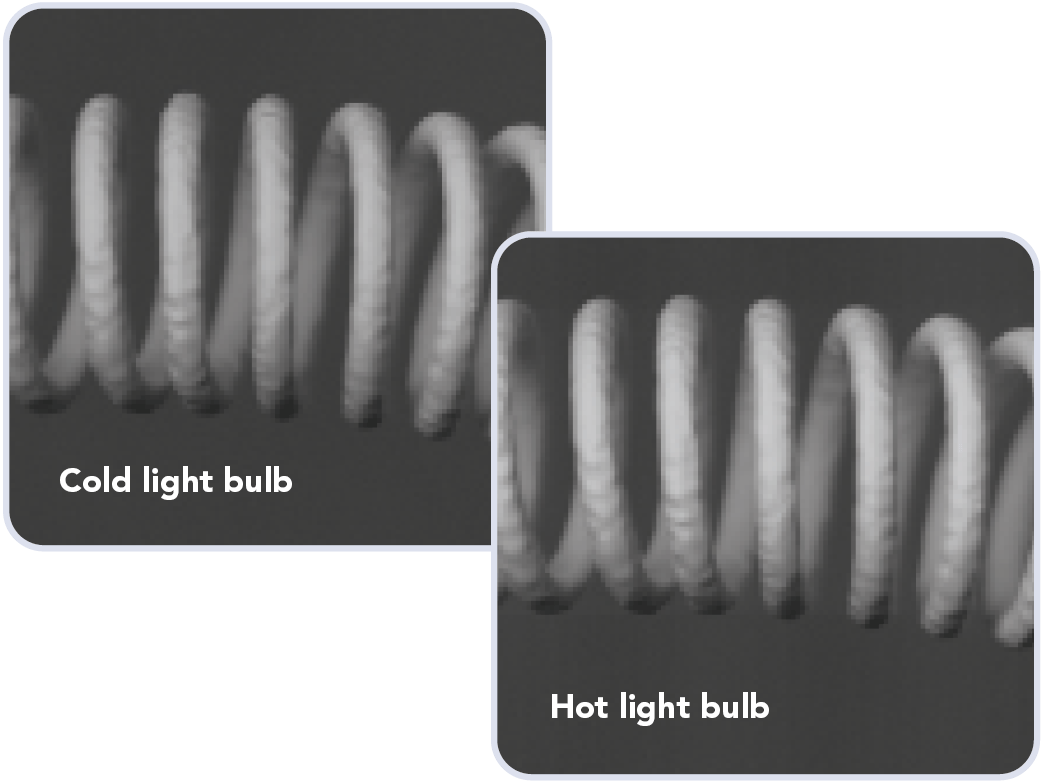
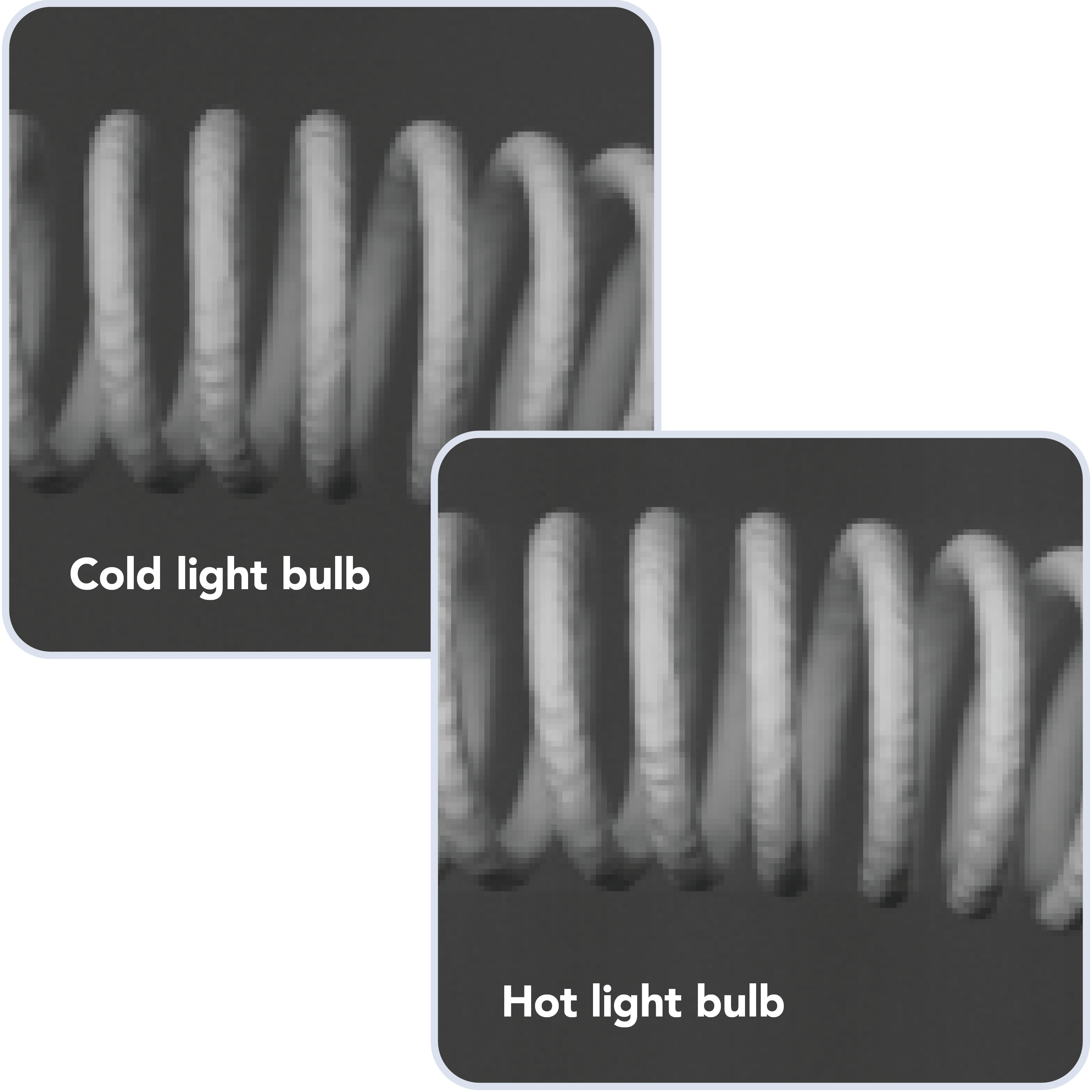
In-situ heating
Image hot surfaces without interference from emitted light
Filter low-energy thermal electrons with the built-in detector bias voltage
Combine with electrical or laser heaters
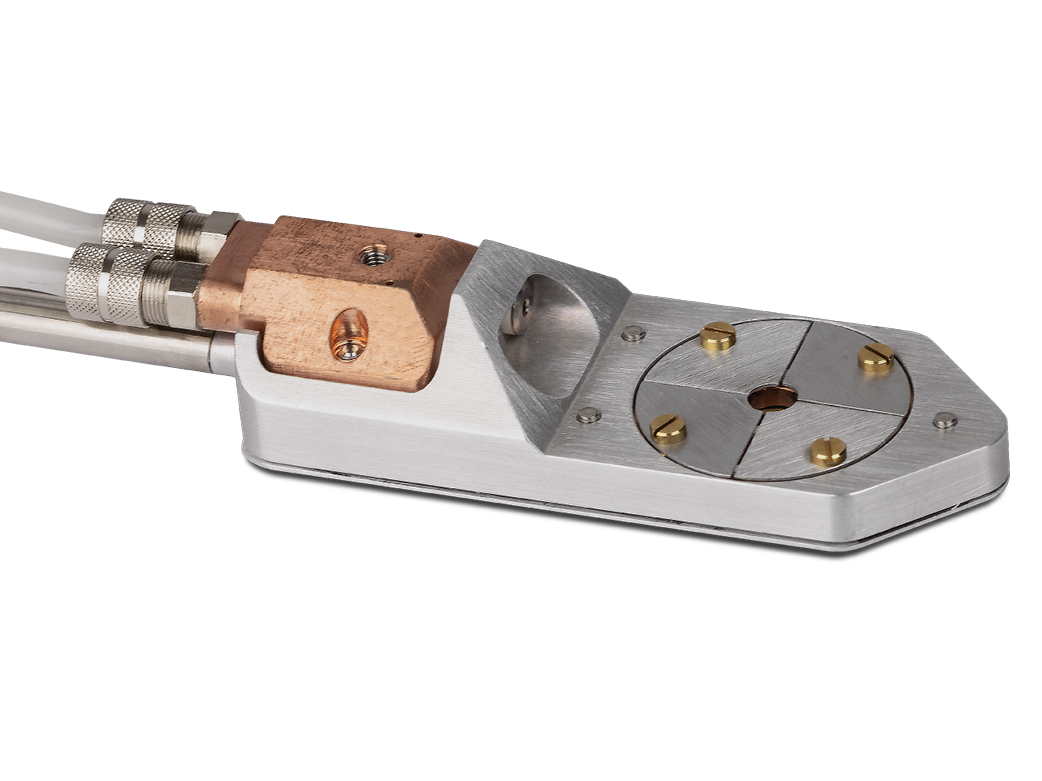
Water cooling
Monitor operating temperature with build in thermal sensor
Keep your detector safe with optional water cooling, even at 1,200°C
Connect in series to existing heater water cooling hoses
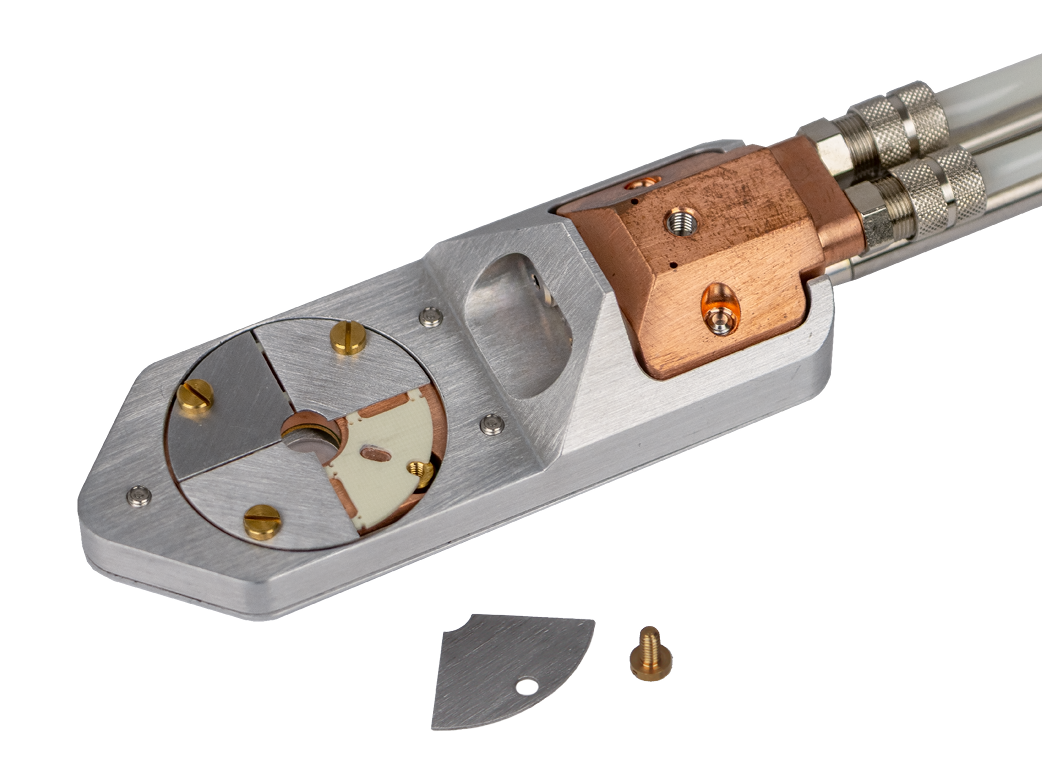
Robust and easy to clean
Push your experiments with a detector designed to withstand contamination
Handle with confidence, in and out of the microscope
Replace, clean and modify your electrode sensors without returning to factory
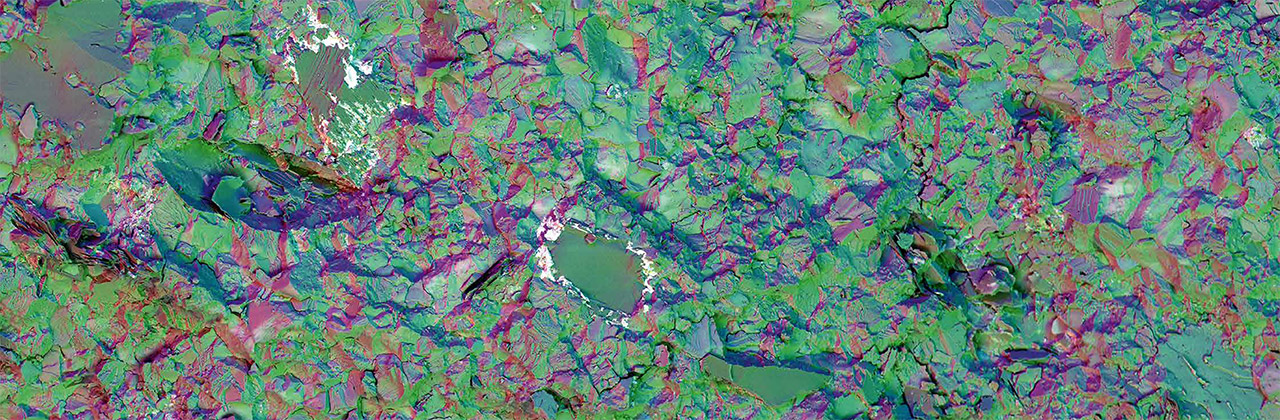
Quantitative BSE
- map density with high-spatial resolution, even at high temperatures
- characterise phase transformation across a wide temperature range
- observe nucleation and growth of nano-materials
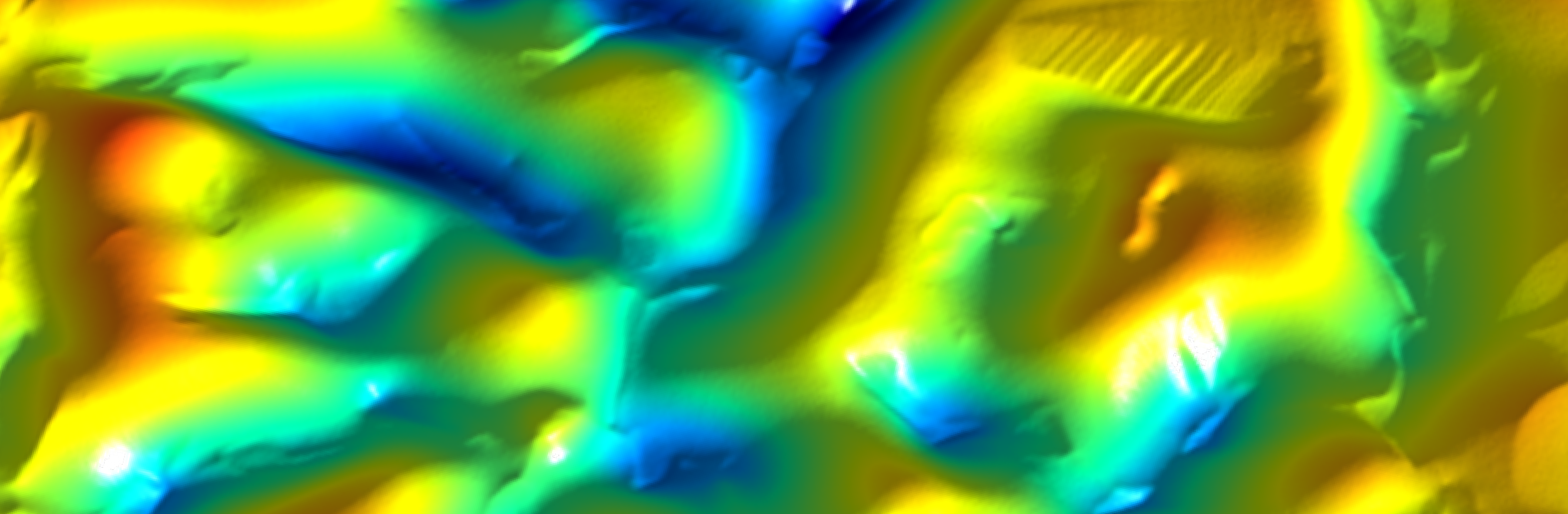
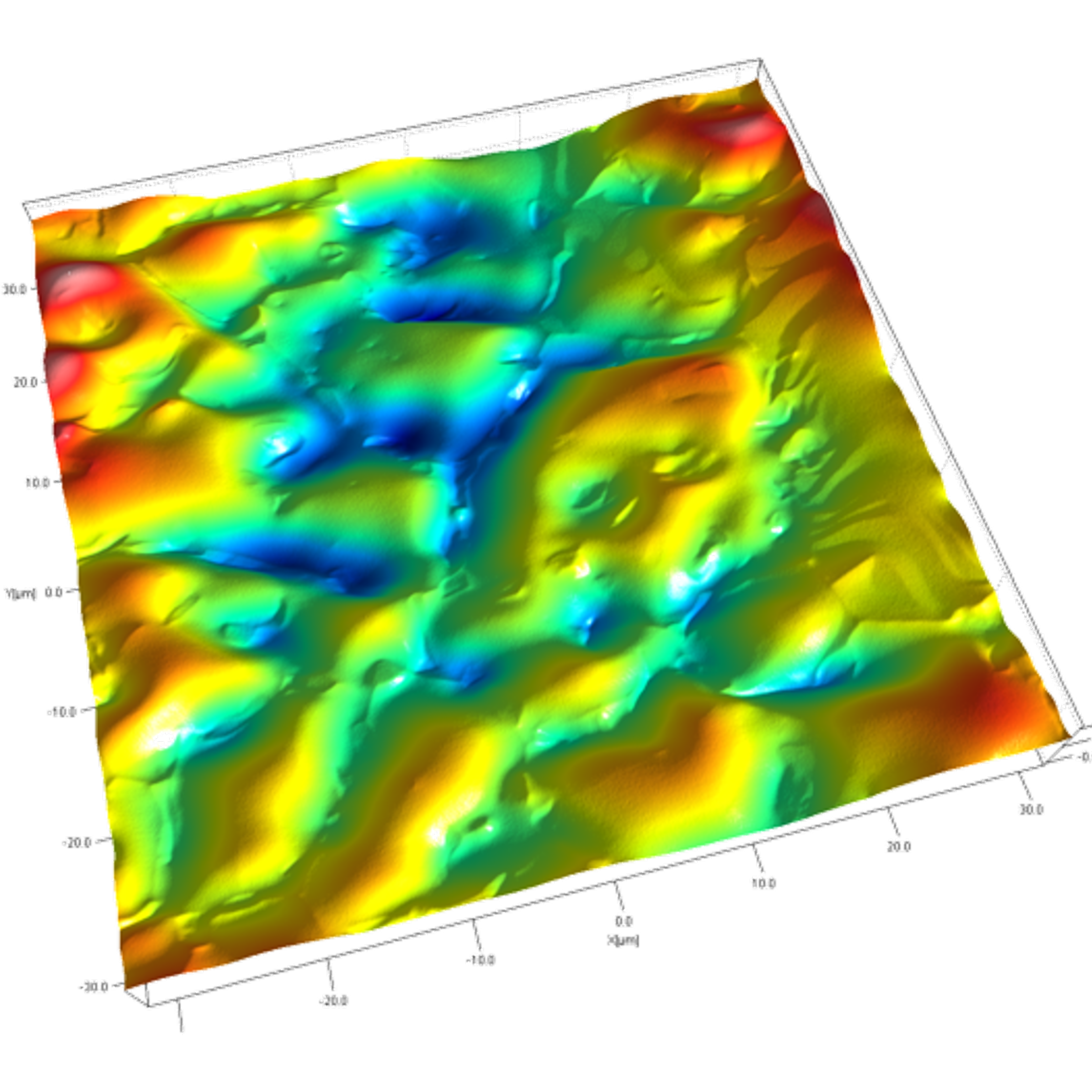
BSE Topography
- Analyse 3D surfaces and complex surfaces
- Monitor in-situ reactions, including high-temperature
- Distinguish between shape and density transformations
High-Temperature BSE front-end
Sensor
- Metal electrodes
- Four-quadrant (4Q) geometry
- 5 mm inner diameter
- 28 mm outer diameter
- -20...20 V voltage bias
Pre-amplifier
- 4x in-situ mount
- Galvanic isolation
- 5x10⁷ V/A gain
- 5 µs minimum dwell time (gain dependent)
Electronics back-end
Main amplifier
- 4x independent signal channels
- -1.25 … 1.25 V (-50…50 mV with attenuator) input offset
- 1× … 1,800× gain
- -1.25 … 1.25 V output offset
- 3.4 MHz…34 Hz low-pass filter
- Automated 4Q global brightness and contrast
- Automated input offsets (dark correction)
- Automated gain normalization (bright correction)
- COMPO hardware mix signal (mean of BSE1...BSE4)
- TOPO hardware mixed signal (mix of BSE1...BSE4)
Interfaces
- 1x USB 2.0 for amplifier control
- 1x USB 2.0 for motion control
- 1x RJ45 signal outputs
Signal outputs
- Typ. 4x -0.5...0.5 V output range
Insertion/retraction mechanics
- Port mounted, with vacuum bellows
- Motorized insertion/retraction motion
- -4...4 mm lateral and height alignment
- 10 µm repositioning step size
- Touch alarm, with automated stop and retraction
Display Panel
- Panel interaction with software via events and actions
- Auto Brightness & Contrast, Auto Contrast, Auto Zero
- Display 480 x 800 px (4.3“)
- Resistive touch
- 4 encoders
- 360 increments per revolution
- Beeper and vibration motor for haptic and acoustic feedback
- Sturdy metal housing for stability
- USB interface for control and power
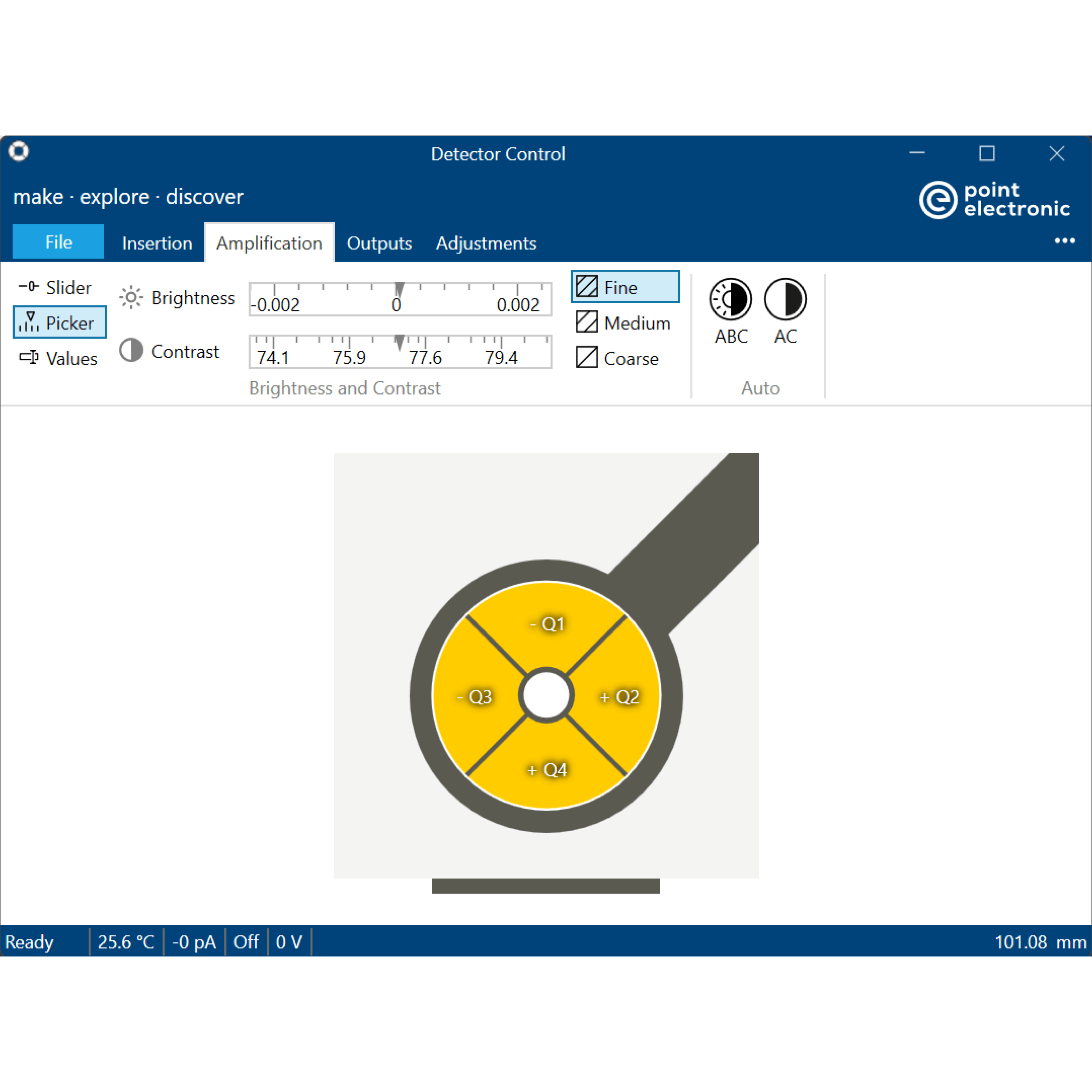
Detector Control software
Control
- Detector schematic with selectable quadrants
- Bias, brightness and contrast controls
- Individual quadrants, or grouped control
- Automatic inserted/retracted positions
- Fine repositioning/adjustments in mm units
In-situ automation
- JSON/RPC interface for remote control
- Automated brightness and contrast
Operating system
- Windows 11 … Windows 7
-
HT BSE Detektor with LIMA-Arm retraction mechanism
-
-
-
Easy to clean and disassemble
-
Hardware Control Panel with touch display
-
Detector Control software
-
Software Development toolKit
-
Flexible channel output
-
Quantitative measurements
-
In-situ heating
-
BSE topography showing Cu catalyst during hydrogen oxidation
-